
Session 1: The 1970s & 1980s | 10am - 1pm | MOCA Ground Floor
Adelina Vlas on Michael Snow
In 1962, while immersed in his Walking Women series, Michael Snow produced his first photo-based work, Four to Five, comprising sixteen black-and-white photographs taken on the streets and subways of Toronto. This marked the beginning of his sustained engagement with photography—a medium that, like film, became central to his decades-long exploration of the tensions between representation and perception. Taking this moment as a starting point, this talk will explore Snow's relationship with photography over time.
Adelina Vlas is the Artistic Director at The Power Plant, Toronto, where she leads the Exhibitions, Publications, and Public Programs & Outreach teams. At The Power Plant, Vlas has curated and co-curated solo exhibitions of artists such as Emmanuel Osahor; Shelagh Kelley; Jen Aitken, Meriem Bennani, Anna Boghiguian, June Clark, Charles Campbell and Lap-See Lam. Previously, Vlas was Associate Curator of Contemporary Art at the Art Gallery of Ontario, Toronto, where she organized special exhibitions and collection-based shows such as As If Sand Were Stone: Contemporary Latin American Art from the AGO Collection; Hito Steyerl: This Is The Future; and Haegue Yang: Emergence. Additionally, Vlas has held curatorial positions at the Philadelphia Museum of Art and the National Gallery of Canada, Ottawa. Vlas earned an MA in Curating Contemporary Art from the Royal College of Art, London and an MA in Art History from York University, Toronto.

Adelina Vlas. Image credit: Henry Chan
June Clark and Laura Jones on the Women’s Photography Cooperative
The Women’s Photography Cooperative emerged in Toronto in the 1970s amid limited institutional support for women photographers. It offered photography classes, fostered skill-sharing, and organized touring exhibitions. This presentation examines the conditions that shaped its formation and concludes with the Art Gallery of Ontario’s acquisition of its archives, securing its legacy within Canadian photographic and feminist histories.
June Clark has earned national and international recognition for her photo-based image works, installations and interventions. Clark has had solo exhibitions at the Contemporary Calgary (2025); Power Plant, Toronto (2024); the Art Gallery of Ontario (2024; 2018); the Ringling Museum of Art, Sarasota (2022); the Studio Museum in Harlem, New York (1997); the Koffler Gallery, Toronto (1994); and Mercer Union, Toronto (1990), and was shortlisted for the 2024 Sobey Art Awards. Her work can be found in the collections of the National Gallery of Art, Washington; the Art Gallery of Ontario, Toronto; the Museum of Fine Arts, Montreal; the National Gallery of Canada, Ottawa; the Rose Art Museum, Brandeis University; and the Wedge Collection, Toronto; among others.
Laura Jones is Toronto-based freelance writer, photographer, and community advocate. She has written a shelf full of articles, reports, newsletters, pamphlets and photographed three children’s books. Jones has exhibited her photographs across Canada from a laundromat in Labrador to a gallery in Vancouver. Jones co-founded the Baldwin Street Gallery of Photography, which operated from 1969 to 1980, the first commercial gallery for photography in Canada.
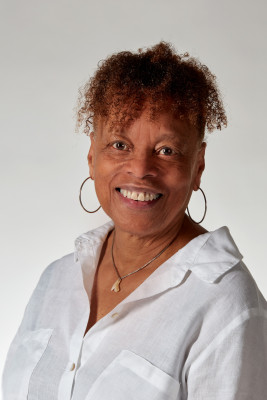
June Clark. Image credit: Dean Tomlinson
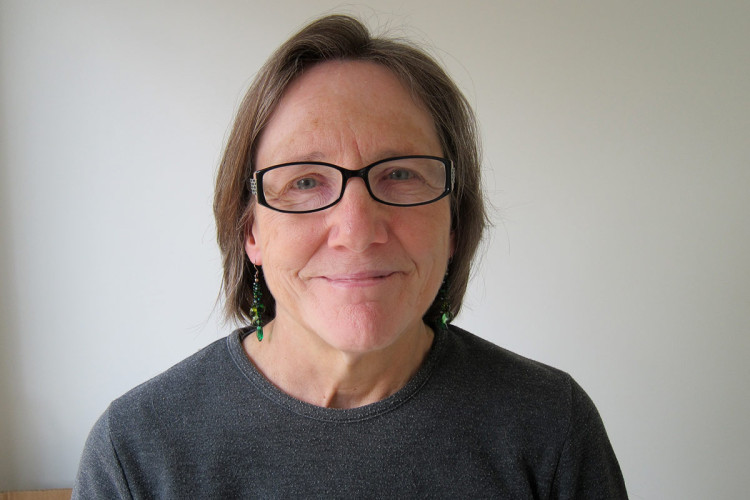
Laura Jones. Image courtesy of the speaker.
Stephen Bulger on early commercial galleries
In the late 1960s and early 1970s, Toronto had few commercial galleries dedicated to photography. Within several years, a small number established a foothold, helping to shape a market for the medium. This talk traces the emergence of the city’s commercial photography scene, examining the economic and institutional challenges these galleries faced, as well as their successes in promoting the medium through the 1980s.
Stephen Bulger engaged in photography as a hobby throughout his youth. Studying at Toronto Metropolitan University’s School of Image Arts, he became interested in the history of photography and began organizing exhibitions. As the founding director of the Ryerson Gallery, he managed over thirty exhibitions. After graduating in 1991, he worked in the photography department of OCADU, working as a technician when he opened Stephen Bulger Gallery on March 23, 1995. Since that time, he has curated over 300 exhibitions and represents numerous Canadian and international photographers and estates. He is a Board Member of the Art Dealers Association of Canada and is co-Chair of the Canadian Art Foundation. He served as Chair of the Advisory Board for the Image Centre at TMU; President of the Board for the Association of International Photography Art Dealers (AIPAD), Washington, D.C.; and is a co-founder of CONTACT, Toronto’s annual photography festival.
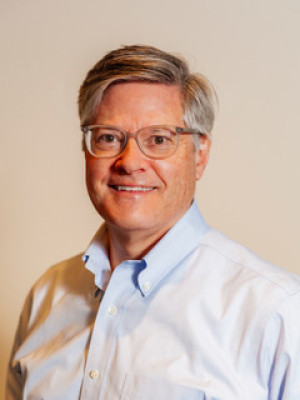
Stephen Bulger. Image credit: Wynne Neilly
Greg Staats and Brenda Mitten on NIIPA
In the mid-1980s, Indigenous photographers emerging from the Hamilton Photographer’s Union founded the Native Indian/Inuit Photographers’ Association (NIIPA). What began as a community-based photography program in 1984 quickly expanded into an international movement supporting Indigenous and Inuit artists across Turtle Island. By 1986, NIIPA had established its own gallery and developed a dynamic travelling exhibition and conference program. Founding members Brenda Mitten and Greg Staats offer a first-hand reflection on belonging, the beginnings, shared visions, and the impact of member contributions to exhibitions and the travelling exhibition program.
Greg Staats is Skarù:reˀ (Tuscarora) / Kanien’kehá:ka (Mohawk) b. 1963, Ohsweken, Six Nations of the Grand River Territory is a Toronto-based artist active since 1984 whose ongoing Hodinöhsö:ni’ restorative aesthetic accumulates knowledge within language and the plurality of trauma and renewal. Staats exists in a liminal space of interconnected placemaking inherent with the body, land, memory and the explorations into ceremonial orality via: mnemonics, text works, embodied wampum, photography, sculpture, performance, installation, and video. Staats’ lens based language documents cycles of return towards Onkwehón:we neha [our original ways]. Solo exhibitions include: AGH, AGO, daphne Indigenous Art Centre, Kelowna Art Gallery, MMA, KWAG, Mercer Union, Gallery TPW, G44, TSV/Images Festival and CONTACT Photo Festival. Residencies include: AGO, Banff Centre, AGYU, TSV/Images, and UofWaterloo Longhouse Labs Fellowship. Staats was awarded the Toronto Arts Foundation’s Inaugural Indigenous Artist Award (2021) and Staats received the 2024 Governor General’s Award in Visual and Media Arts.
Brenda Mitten, Bear Clan of the Seneca Nation, calls Six Nations of the Grand River Territory her home. Her journey into photography contains the innate love for capturing moments that tell profound stories. In 1984 Brenda co-founded and co-directed the Native Indian/Inuit Photographers' Association (NIIPA), a significant milestone in her career. NIIPA served as a platform of exhibitions, research and publications that showcased the works of Native photographers from across Canada and the U.S. Brenda's lens-based work focuses on documenting the rich and diverse cultures Native American communities and specifically the Haudenosaunee [Six Nations Iroquois Confederacy]. Exhibitions include: Visions-Photo Union Gallery, Hamilton, Ontario (Traveling Exhibition), Silver Drum (Traveling Exhibition) Solo Exhibition Museum of Indian Archeology, London, ON, CEPA Gallery, Buffalo, NY, Woodland Cultural Centre, Kingston Artists’ Associations Inc., Niagara Artists Centre, Fenimore Art Museum, Cooperstown, NY, Glenhyrst Art Gallery, McMaster Museum of Art, and the Minneapolis Institute of Art.
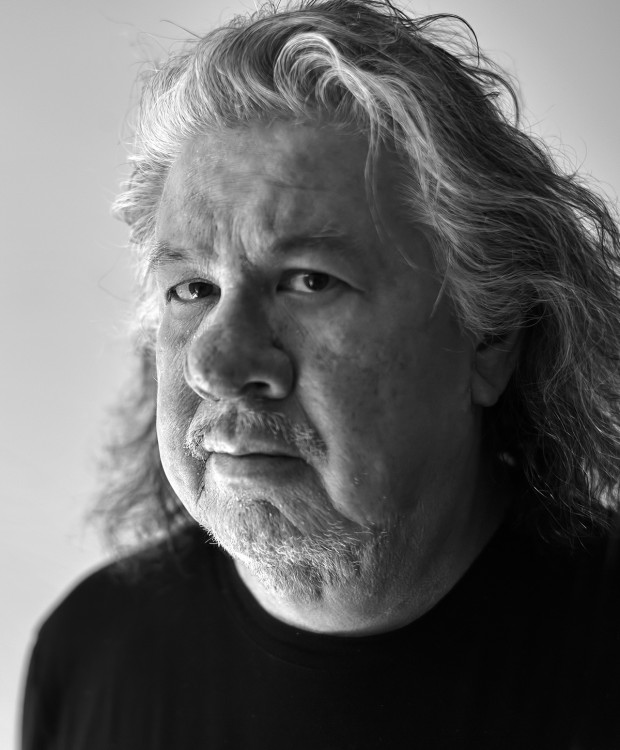
Greg Staats. Image courtesy of the speaker.
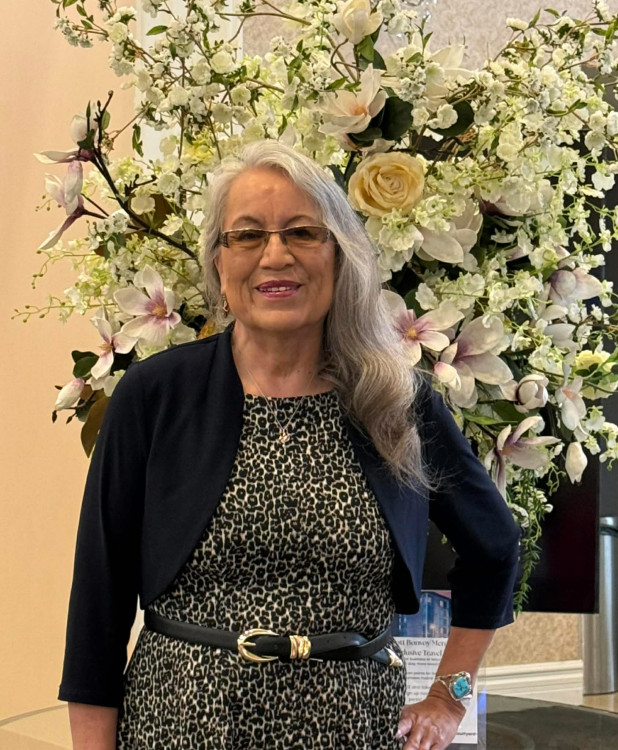
Brenda Mitten. Image courtesy of the speaker.
Sara Knelman on Impressions magazine
Impressions magazine, conceived of and published in Toronto from 1970 to 1983, showcased photographs from across Canada and internationally. Across thirty issues, this experimental magazine perpetually reinvented itself, taking on new subjects, structures and design styles. This talk will offer an overview of the landscape of photo mags in Toronto in the 1970s and 1980s, and will look at a few key issues of Impressions to consider how it might reflect a moment of intense creative energy.
Sara Knelman is a writer, curator, and educator. She’s held executive and curatorial positions at The Photographers’ Gallery, The Art Gallery of Hamilton, Two Rivers Gallery, and C Magazine, and has taught at the International Center of Photography, the Courtauld Institute of Art, Sotheby’s Institute of Art, London South Bank University, Toronto Metropolitan University, and the University of Toronto. Sara has written about photography for numerous books, including Double Double, Protein Style, Animal Style with a Strawberry Shake and Chips: Stories the Feet Have Told, by Wyatt Conlon (The Fulcrum Press, 2022), A World History of Women Photographers (Thames & Hudson, 2022), and Night Fever: Film and Photography After Dark (Koenig, 2024), and has contributed to 1000 Words, Aperture, Canadian Art, Ciel Variable, Frieze, Prefix Photo and Source: The Photographic Review. Her recent book, Lady Readers (Ottoby Press, 2024), shares her collection of found photographs of women reading.
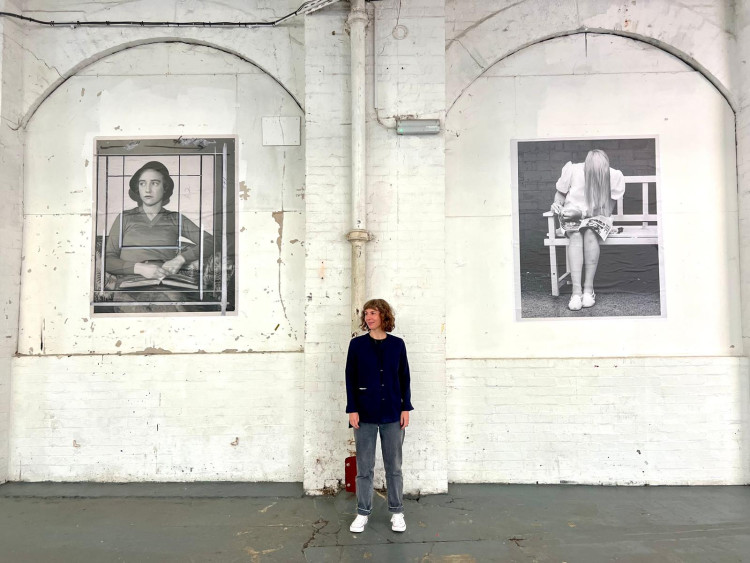
Sara Knelman. Image credit: Veronique Rolland @veronique_rolland
Jordan King on Yonge Street
Drawing on research in the photography collection at The ArQuives, Toronto’s 2SLGBTQ+ community archive, and at the City of Toronto Archives, King will present these historical photographs from the 1970s and 1980s in dialogue with her own documentation of Yonge Street nightlife. She will examine how these visual records illuminate queer cultural history and the social life of the city.
Jordan King is a Canadian multi-disciplinary artist, curator and writer. She holds a Master of Fine Arts degree in Curatorial Practice from OCAD University with a research focus on documentary film and multimedia documentation of underground queer performance. Jordan spent her formative years immersed in nightlife culture, which continues to influence her work. Recent curatorial projects have included a performance series at FADO performance art centre and an exhibition of archival material at Toronto’s The ArQuives. Jordan's writing has been included in PUBLIC Journal and peer reviewed journal Architecture, Media, Politics, Society, with her photo and video work exhibited at Gallery 44 in Toronto and Factory Media Centre in Hamilton, ON. Most recently she was artist-in-residence at Gallery 44 Contemporary Photography Gallery throughout 2026.
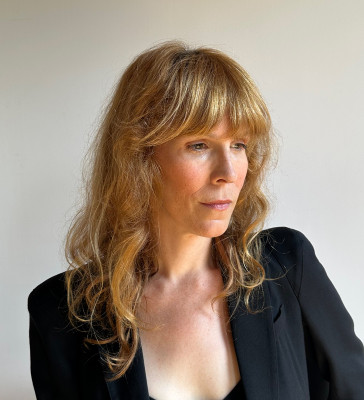
Jordan King. Image credit: Jordan King
Session 2: The 1990s and 2000s | 2pm - 5pm | MOCA Ground Floor
Philip Monk on Substitute City
Twenty-five years ago in a very different city, artists subverted the regulatory realm of the visible by promoting mobile counter-practices that redirected behaviour. My spring 2001Power Plant exhibition, Substitute City, was about how lens-based artists moved through the unsurveilled territories of Toronto’s wastelands and degraded terrain. Charting personal cartographies of enamourment or disenchantment, artists told errant tales of deviation.
Toronto writer Philip Monk was Director of the Art Gallery of York University (2003–2017) and previously was senior curator at the Power Plant (1994–2003) and the Art Gallery of Ontario (1985–1994). A writer since 1977, his most recent books are Migrating the Margins: Circumlocating the Future of Toronto Art (with Emelie Chhangur, 2019); Is Toronto Burning?: Three Years in the Making (and Unmaking) of the Toronto Art Scene (2016); and Glamour is Theft: A User’s Guide to General Idea (2012). His new book, Genres High and Low: Writings on Art, co-published by WORK BOOK and Goose Lane Editions, will launch June 2026.
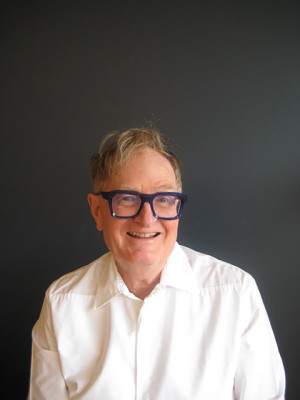
Philip Monk. Image courtesy of the speaker.
Jake Peters on his editorial and activist work
This presentation surveys Peters’s practice across distinct yet interconnected periods, beginning with his first experience learning the language of photography and seeing with the camera in black and white, editorial work for NOW and Xtra! magazines in the 1980s and 1990s, international documentary work about AIDS and AIDS activism through 2012, and portraits.
In 1952, at the age of two, I immigrated to Canada from Haifa, Israel in the arms of my parents. Following my studies in fine arts at Central Technical School and the Ontario College of Art, I became involved with the Toronto Dance Theatre. I acquainted myself with the camera while I worked for them in Canada, the US and Europe. Learning the language of photography drew me to explore documentary work in theater, portraiture, and social issues. My personal entanglement with HIV led me to focus on documenting AIDS activism at international conferences on AIDS between 1989 and 2012 for publications such as NOW magazine, Xtra and AIDS services publications.
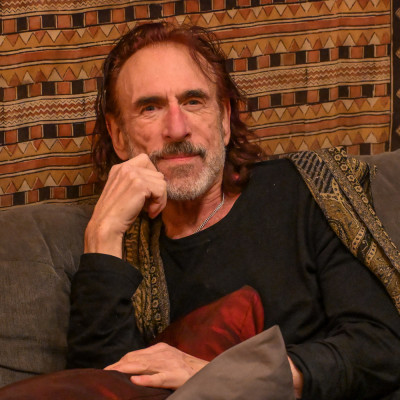
Jake Peters. Image credit Brian A. Lynn
Tal-Or Ben-Choreen on feminist photographic practices
By the late 2000s, Toronto had established itself as a vibrant centre for photography, shaped by prominent artists, institutions, and artist-run initiatives. Women practitioners played a central role in building and sustaining these communities. This paper traces key feminist photographic practices in the city while interrogating what it means to define photography as feminist, examining varied approaches, mentorship networks, and the infrastructures that shaped artists’ emergence and visibility.
Tal-Or Ben-Choreen is the Curatorial Coordinator at the Art Gallery of Ontario. She earned a PhD in Art History from Concordia University. Ben-Choreen has curated several exhibitions, including Building Icons: Arnold Newman’s Magazine World, 1938–2000 (2023–2025), co-curated with Sophie Hackett, and The Unseen Marion Faller (2018). Her writing appears in Contemporary Review of the Middle East, Canadian Jewish Studies, and History of Photography. She is currently editing a special issue of Advertising & Society Quarterly that examines the intersection of photography and advertising.

Tal-Or Ben-Choreen. Image credit: Tal-Or Ben-Choreen
Kitty Scott on Ydessa Hendeles: Partners (The Teddy Bear Project)
Collected photographs, more specifically thousands of found family album photographs spanning the 20th century, are the foundation of Ydessa Hendeles’ artwork Partners (The Teddy Bear Project), 2002. First presented in Toronto and now almost 25 years old, this presentation asks: how does this work resonate today?
Kitty Scott is a leading Canadian curator, writer and senior arts administrator whose work spans major art institutions and international exhibitions. She is known for shaping contemporary art discourse through ambitious programming and sustained collaborations with artists. Currently, Scott is Strategic Director of Fogo Island Arts and this past year as Chief Curator of the 15th Shanghai Biennale she recently presented, “Does the flower hear the bee?” at the Power Station of Art, Shanghai. Scott has held key curatorial posts including Curator of Contemporary Art and later Deputy Director and Chief Curator at the National Gallery of Canada in Ottawa. She also served as the Carol and Morton Rapp Curator of Modern and Contemporary Art at the Art Gallery of Ontario in Toronto. Previously, she was Chief Curator at London’s Serpentine Gallery and Director of Visual Arts here at The Banff Centre, where she oversaw residencies, exhibitions and the Banff International Curatorial Institute. Scott was a core agent for dOCUMENTA (13) in 2012. With Sally Tallant she co-curated the 2018 Liverpool Biennial, “Beautiful world, where are you?”. She curated Geoffrey Farmer’s exhibition for the Canada Pavilion at the 57th Venice Biennale (2017). Across these roles she has championed a wide range of contemporary artists while publishing extensively in catalogues, books and journals.
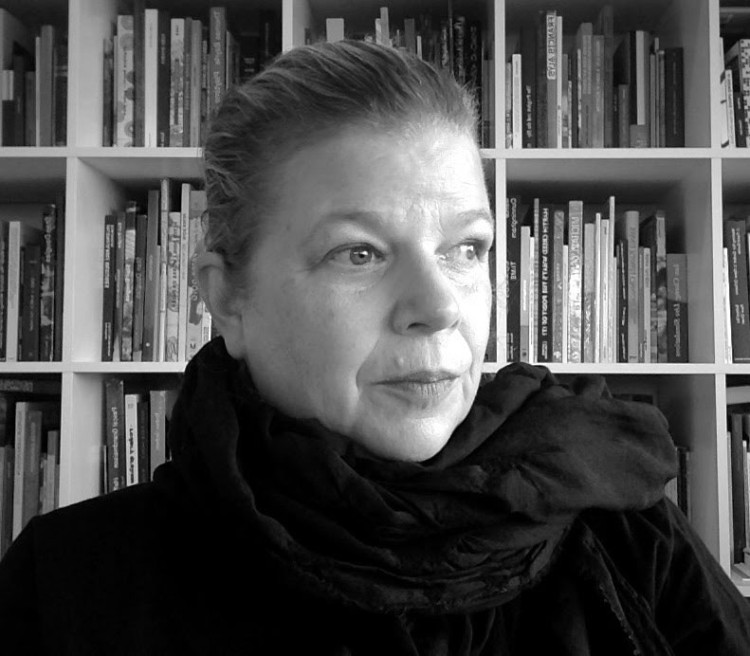
Kitty Scott. Photo courtesy of the speaker.
Dr. Kenneth Montague on Wedge Gallery
In 1997, Montague founded Wedge Gallery, an exhibition space in his downtown Toronto loft dedicated to presenting contemporary African and Diasporic photographers whose work had been overlooked by the city’s galleries and remained largely absent from the broader Canadian art landscape. Montague’s presentation reflects on the gallery’s formative years, its strategies for promoting underrepresented artists, and contextualizes its enduring curatorial, cultural, and community legacy within Toronto’s contemporary photography scene.
Dr. Kenneth Montague is a Toronto-based art collector and founding director of Wedge Curatorial Projects, a nonprofit arts organization. Since 1997, Montague has been promoting both emerging and established artists via exhibitions, lectures and workshops. His focus is contemporary African photography, which he also showcases in his privately owned Wedge Collection. Montague has served on the African Art Acquisition Committee at Tate Modern as well as the Photography Curatorial Committee at the Art Gallery of Ontario. He is currently an AGO Trustee, Chair of the gallery's Collection Committee, and Co-Chair of the Department of Arts of Global Africa and the Diaspora. He is also a Trustee of the Aperture Foundation, and a past juror for the Scotiabank Photography Award, Canada’s largest photography prize. Montague is a frequent panelist at international art symposiums, including the Bamako Encounters/Biennial of Contemporary African Photography and Black Visualities, Lisbon. He has also been invited to lecture on contemporary art at the National Gallery of Canada; the National Gallery of Art in Washington, D.C.; and the Studio Museum in Harlem, among other institutions. His curatorial projects include Becoming: Photographs from the Wedge Collection and Position As Desired: Exploring African Canadian Identity. In 2021, the Aperture Foundation published the award-winning photobook As We Rise: Photography from the Black Atlantic, a celebration of works from his Wedge Collection. An associated exhibition is currently touring internationally and As We Rise: Sounds from the Black Atlantic, a related vinyl record compilation was recently released. For his efforts in supporting the arts and his mentoring of emerging creatives, Montague received an honorary doctorate from OCAD University, Toronto (2016).
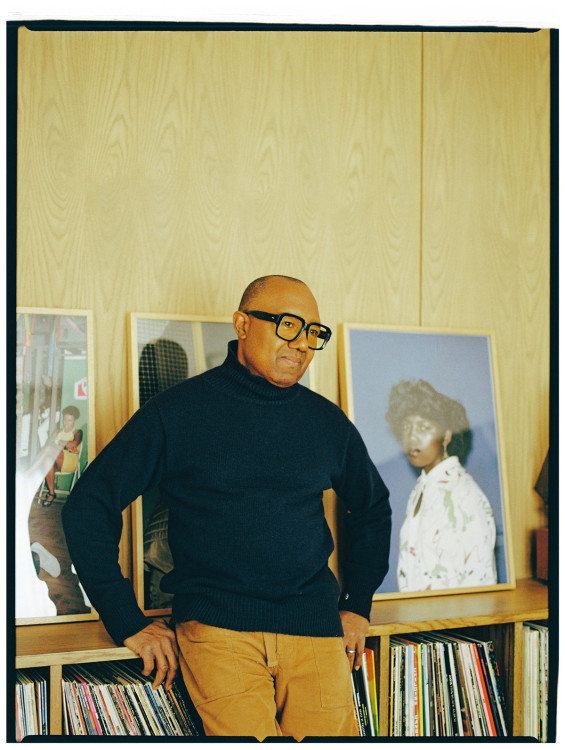
Dr. Kenneth Montague. Image credit: Neil Anthony Watson
Sanaz Mazinani on Iran Revisited
Sanaz Mazinani will present a selection of photographs from her Iran Revisited series, with particular emphasis on works produced between 1999 and 2010 at the inception of the project. The presentation examines images captured across Iran that reflect a diasporic perspective, situating the artist as both witness and interlocutor in relation to the country’s landscapes and communities. Through this body of work, Mazinani engages questions of memory, belonging, and representation, foregrounding the aesthetic, cultural, and political complexities embedded within the Iranian, including the deeply rooted anti-war sentiments shaped by historical experience and collective memory.
Sanaz Mazinani is an Iranian-Canadian artist, educator, and curator based in Tsí Tkarón:to/Toronto, the traditional territory of the Anishinaabe, including the Mississaugas of the Credit, Chippewa, Haudenosaunee, and Wendat peoples. Working across the disciplines of photography, sculpture, and large-scale multimedia installations, Mazinani creates art objects that invite a rethinking of how we see and experience knowledge. Informed by the visual rhetoric and confounding presence of media circulation, her multidisciplinary practice aims to politicize distribution networks of images, invite critical reflection, and forefront social justice and environmental movements.
Mazinani is an Associate Professor at the University of Toronto. She holds an undergraduate degree from OCADU and an MFA from Stanford University. Her work has appeared in solo exhibitions at institutions including the Asian Art Museum in San Francisco, the West Vancouver Museum, and Triton Museum of Art in Santa Clara, California. She has received grants from the Social Sciences and Humanities Research Council, Canada Council, and the National Endowment for the Arts, and her work is held in public collections including the Art Gallery of Ontario, the Cleveland Museum of Art, and the City of San Francisco.
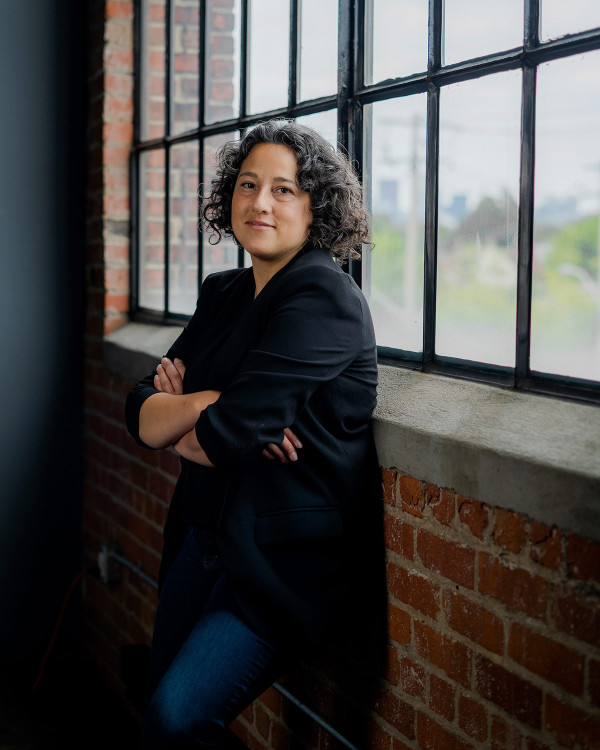
Sanaz Mazinani. Image courtesy of the speaker.
Session 3: The 2010s to the Present | 2pm - 5pm | Baillie Court, AGO
Gaëlle Morel on a photography museum for Toronto
What led to the foundation, construction, and opening of a photography museum in Toronto, more specifically at Toronto Metropolitan University? The city of Kodak Canada’s tenure throughout the 20th Century, Toronto has developed as a hub for a constellation of individuals and organizations whose endeavours laid the ground for the establishment of The Image Centre (IMC), inaugurated in 2012. This vibrant photography community fashioned a culture: a distinctive way of considering photography as a medium defined by materiality, multiplicity, technicity, and social practices. This presentation will expose how this approach is embedded in the heart of the IMC, directly illustrating how the history of photography is collectively shaped by collaborative efforts and engagement.
Guest Curator of the Mois de la Photo à Montréal in 2009, Gaëlle Morel, PhD, has been the Curator at The Image Centre, Toronto Metropolitan University, since 2010. Based on archival research, latest exhibitions include Chim: Children of Europe (2025); Lee Miller, A Photographer at Work (2024); Stories from the Picture Press: Black Star Publishing Co. & The Canadian Press (2023); and Mary Ellen Mark: Ward 81 (2023, with Kaitlin Booher). She recently published “Le ‘face-à-face d’Oka,’ Québec, Canada, 1990. La fabrique collective d’une icône photographique,” Matériaux pour l’histoire de notre temps, 2025; “Exposer le photojournalisme. Stories from the Picture Press, The Image Centre, Toronto,” La Gazette des archives, 2025, and “Community and Joy. The Visual Typology of the ArQuives’ Photography Collection,” in Joy. Sorrow. Anger. Love. Pride, Magenta, 2023.
Morel is currently working on American photographer Berenice Abbott’s unknown projects, drawn from The Image Centre’s collections, including her scientific experimentations in the 1940’s and her unpublished road trip along the U.S. Route 1 (1954).
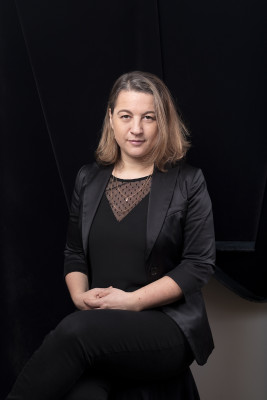
Gaelle Morel. Image courtesy of the speaker.
Jimmy Limit on Composing Photographs and Exhibitions for Perpetual Circulation
Limit’s talk will centre on the emergence of his photography practice in early-2010s Toronto and its relationship to his work documenting exhibitions, as well as his time at Toronto Image Works. He will discuss his practice of making installations and photographs to be experienced as images. The talk will also touch on the momentum of new technologies that have accelerated the production and circulation of both art and non-art images at incredible speed and quantity.
Jimmy Limit is an Estonian-Canadian person who has been at certain times a photo based artist. His practice extends into installation, video, bookworks and ceramics. For the past 15 years his practice has orbited the tension between images and objects. He has exhibited in solo and group exhibitions throughout Canada and internationally including at Albright Knox Art Gallery (Buffalo, NY), Temnikova &; Kasela, (Tallinn, Estonia), Rodman Hall (St. Catharines, ON), Frutta (Rome), Clint Roenisch Gallery (Toronto, ON) and Printed Matter (New York, NY).
His work has been published in The New York Times and Frieze Magazine and has been featured on the covers of C Magazine and cura. In 2015 he received the Gattuso Award for best Exhibition in the Scotiabank Contact Photography Festival (Toronto, ON). Recent public works include 4 5 6 7 (BMO 33 Dundas Toronto, ON 2023), Act Change (Things on Blue) at Assembly Park (Vaughn, ON 2022), Photos for a Project in Progress at The B 4 5 6 7 (BMO 33 Dundas Toronto, ON 2023), Act Change (Things on Blue) at Assembly Park (Vaughn, ON 2022), Photos for a Project in Progress at The Bentway (Toronto 2019). He was born in Toronto and currently lives and works in the Niagara Region of Canada with his wife and three kids. Limit is studying to be a paramedic in addition to taking photos and teaching pottery.
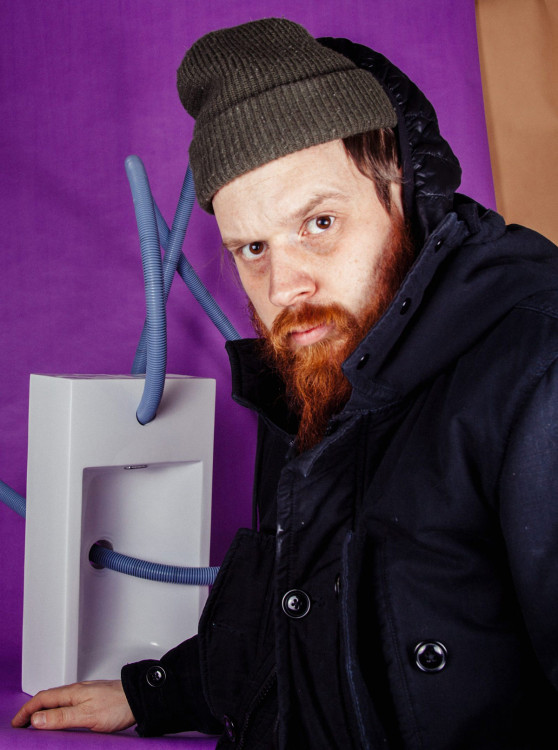
Jimmy Limit. Image courtesy of the speaker.
Bob Burley on The Disappearance of Darkness
In 2013, Burley published The Disappearance of Darkness, a book documenting the closure and demolition of major photographic manufacturing plants across North America and Europe. The series preserves detailed a visual record of facilities central to twentieth-century image-making. This presentation revisits the impact of this series and the ways it symbolizes broader anxieties about technological obsolescence, material memory, and the shift from analog to digital culture.
Robert Burley is a Toronto-based visual artist and educator. His work examines the evolving relationship between nature and the city, with a focus on architecture, cultural landscapes, and the transformation of the built environment. Moving beyond straightforward documentary, he brings a critical perspective to the politics of space, the infrastructures of memory, and photography’s cultural role in times of technological and social transition.
Through his books, exhibitions, and teaching, Burley has contributed significantly to the preservation and redefinition of photography in an era of rapid change. His work not only records a shifting world but also invites reflection on how images shape collective memory and cultural identity.
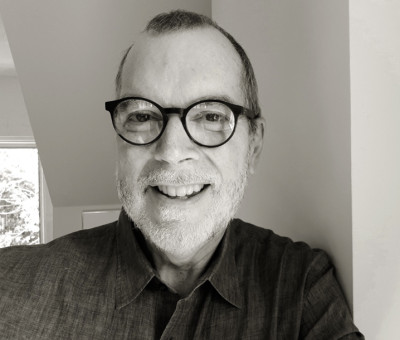
Robert Burley. Image courtesy of the speaker.
Julie Crooks on BAND
A co-founder of Black Artists Network in Dialogue – BAND – Crooks will present on the photography exhibitions she curated in the organization’s early years, including James Barnor: Ever Young (2016) and Eyes Ears Voice: Black Canadian Photojournalists, 1970s–1990s (2017).
Dr. Julie Crooks has served as a curator at the Art Gallery of Ontario (AGO) since 2017. Over the course of her tenure, she has led numerous exhibitions and collection installations, contributed to a range of publications, participated in international panels, and maintained a strong academic presence. Notable exhibitions at the AGO include Free Black North (2017), Mickalene Thomas: Femmes Noires (2018), Fragments of Epic Memory (2021), Life Between Islands: Caribbean-British Art 1950s – Now (2023), and The Culture: Hip Hop and Contemporary Art in the 21st Century (2024). Dr. Crooks has also played a key role in expanding the AGO’s collection, overseeing major acquisitions such as the Montgomery Caribbean Photography Collection (2019), Moko Jumbie by Zak Ové (2021), and Moments Contained by Thomas J Price (2025). She holds a PhD in the History of Art and Archaeology from the School of Oriental and African Studies (SOAS), University of London, U.K. Her areas of expertise include vernacular photography from West Africa and the African diaspora, as well as contemporary art.
In 2020, Dr. Crooks founded the AGO’s department of Arts of Global Africa and the Diaspora, an initiative aimed at addressing historical omissions and underrepresentation of Africa and its diasporas through focused programming, exhibitions, and acquisitions.
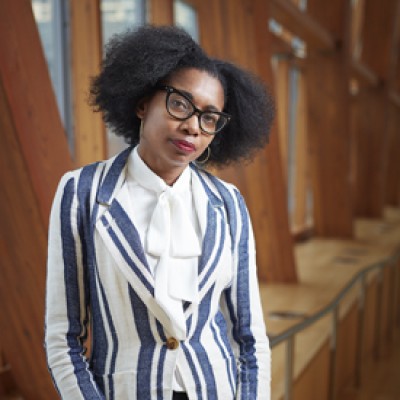
Julie Crooks. Image courtesy of the speaker.
Nadia Belerique on Cameraless Photographs and Materiality
In 2014, Belerique worked at the Toronto Star, digitizing its archives with flatbed scanners. Access to this equipment, and to analogue editing and retouching techniques, shaped her Archer series—“cameraless photographs” that foreground process, materiality, and ambiguity over representation. In her talk, Belerique reflects on this formative moment and considers how these works contributed to photography’s broader material turn, proposing the medium as something performed as well as perceived.
Nadia Belerique received her MFA from the University of Guelph. Her work was included in the Walk&Talk biennial in the Azores, curated by Claire Shea, Fatima Bintou Rassoul Sy, Liliana Coutinho, and Jesse James (2025); the Toronto Biennial of Art (2022), curated by Candice Hopkins, Tairone Bastien and Katie Lawson; and the New Museum Triennial (2021), curated by Margot Norton and Jamillah James. Solo exhibitions include: Slice at David Dale Gallery, Glasgow (2022); Body in Trouble at Fogo Island Arts, Newfoundland and Labrador (2022); On Sleep Stones at Grazer Kunstverein, Graz (2018); and The Weather Channel at Oakville Galleries (2018). Her collaborative public sculpture with Tony Romano for the Lassonde Art Trail, Toronto, will be unveiled in summer 2026.
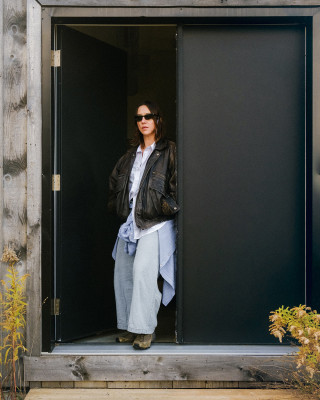
Nadia Belerique. Image courtesy of the speaker.
Marina Dumont-Gauthier on a timeline of Toronto’s photographic activity
Dumont-Gauthier will draw on her work creating a timeline of photographic activity in Toronto for the recent book Collective States: Worlds of Photography at the AGO, and discuss the challenges and future opportunities of such an endeavour.
Marina Dumont-Gauthier is the Curatorial Assistant in the Photography Department at the Art Gallery of Ontario (AGO). Since joining the AGO in 2022, she has contributed to a range of projects, including Wolfgang Tillmans: To Look Without Fear, and has curated exhibitions such as We Are Story: The Canada Now Photography Acquisition, Cities in Flux, and , most recently, Recuerdo: Latin American Photography at the AGO. Marina previously held curatorial positions at the Museum of Modern Art in New York and the J. Paul Getty Museum. Her areas of expertise include Latin American art and transatlantic studies. She is currently pursuing a PhD in Art History at the University of Toronto, where her dissertation investigates the pivotal role of female photographers in shaping Argentina’s photographic culture during the 1930s and 1940s.

Marina Dumont-Gauthier. Image courtesy of the speaker.
Keynote Presentation: Morris Lum x Pok Chi Lau, moderated by Lily Cho
Morris Lum and Pok Chi Lau in conversation with Lily Cho reflect on photography, memory, and place, drawing on their practices and long-standing engagement with Chinatown communities in Toronto and beyond to offer personal and critical perspectives on the evolving character of these spaces photographic landscape.
Morris Lum is a Trinidadian-born photographer and artist whose work explores the complex hybridity of the Chinese-Canadian experience through photography, form, and documentary practices. Lum’s work has been exhibited and screened across Canada and the United States. Currently, he is focused on a cross–North American project examining the transformation of Chinatowns and capturing the evolving architectural and cultural landscapes of these communities. Morris is an Assistant Professor in the Visual Studies Department at the University of Toronto’s Daniels Faculty of Architecture Landscape and Design.
Pok Chi Lau is a Hong Kong-born documentary photographer whose work explores the global Chinese diaspora. He came to the United States in 1969 and earned a BFA from the Brooks Institute of Photography (1975) and an MFA from the California Institute of the Arts (1977). Lau began teaching at the University of Kansas in 1977 and was named Professor Emeritus in 2013.
For more than five decades, Lau has documented Chinese communities across the Americas, China, Cuba, Malaysia, Myanmar, West Africa, and Vietnam. As a member of the Overseas Chinese community, he photographs from within, capturing intimate domestic spaces and everyday environments that reveal identity, migration, belief, memory, and cultural continuity. His portraits and interiors reflect both personal histories and broader social change.
Lau has held over 60 solo exhibitions and participated in more than 90 group exhibitions worldwide. He is the author of seven books and has traveled to 47 countries in pursuit of his work.
Lily Cho is an Associate Professor of English at York University. Her writing on photography includes recent publications on the work of Justine Kurland, Paul Mpagi Sepuya, and Morris Lum.
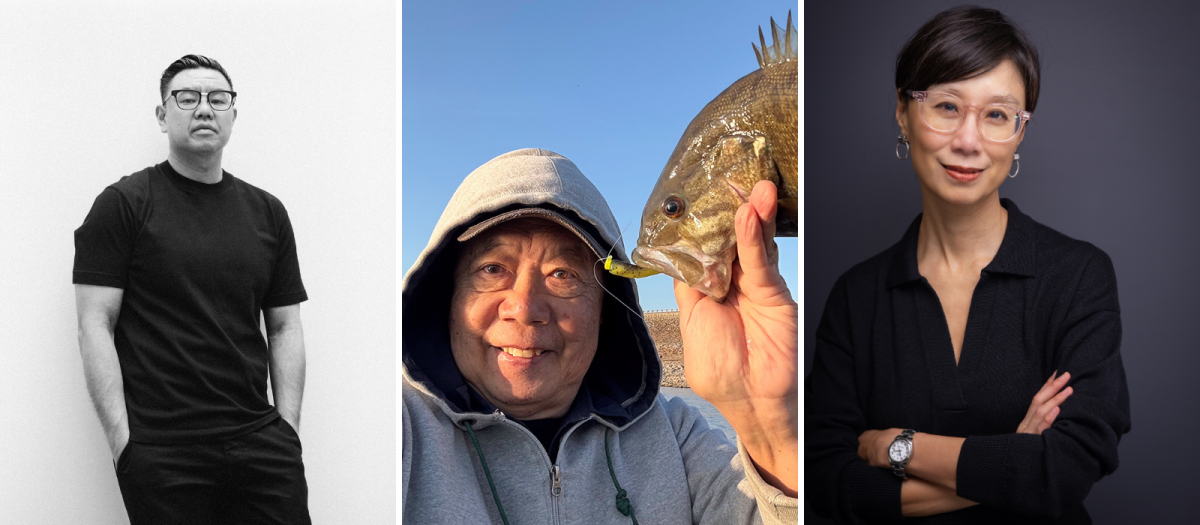
Morris Lum. Photo: Nam P. Dang. | Image provided by Pok Chi Lau | Photo: Dewey Chang
Be the first to find out about AGO exhibitions and events, get the behind-the-scenes scoop, and book tickets before your visit.
Sign up to get AGO news right to your inbox. You can unsubscribe at any time.
Sign up to get AGO news right to your inbox. You can unsubscribe at any time.