


EXHIBITION OVERVIEW
The AGO is thrilled to showcase Peter Paul Rubens (1577–1640) in a new exhibition featuring the North American debut of some of his most ambitious works. Rubens is one of the most revered painters in Western art – widely recognized for his riveting, dynamic and even cinematic style, known as the Baroque.
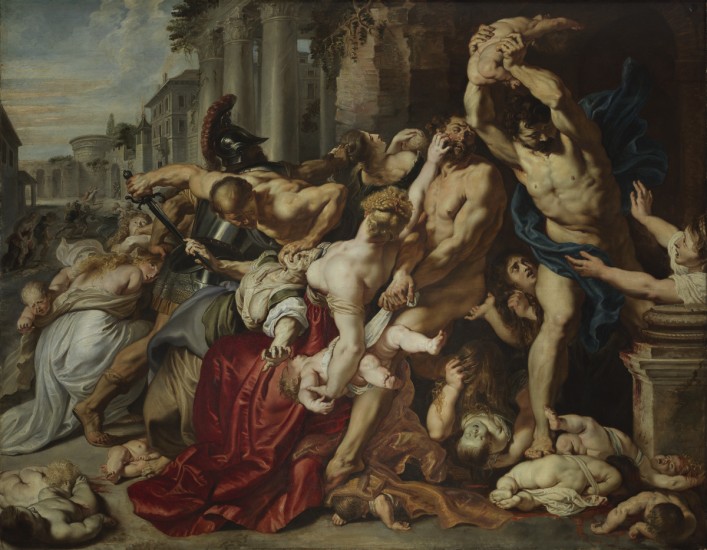
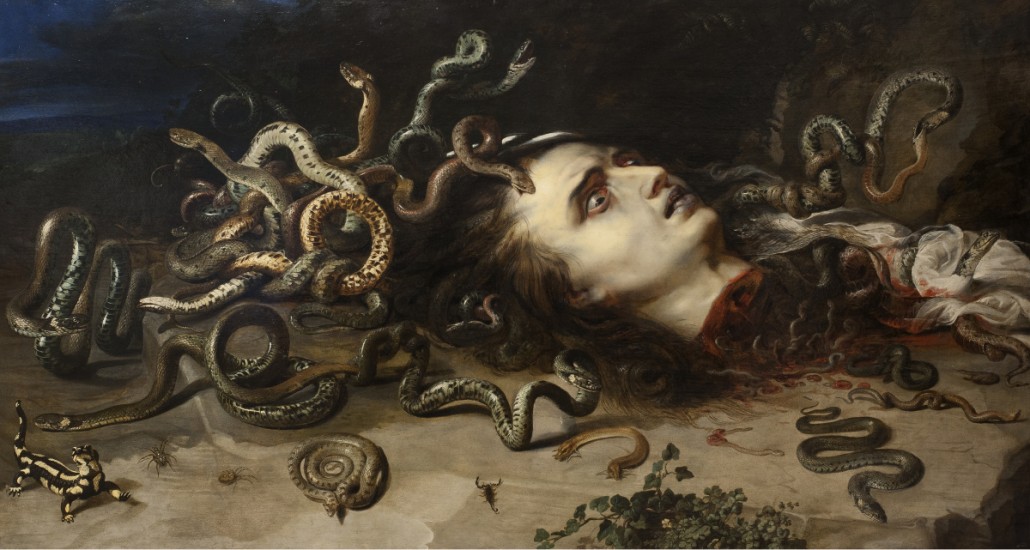
Early Rubens includes such masterpieces as The Head of Medusa (from The Moravian Gallery, Brno, Czech Republic) and The Boar Hunt (Musée des Beaux-Arts de Marseille), complementing treasures from the AGO Collection: The Massacre of the Innocents and his most finished oil sketch, The Raising of the Cross.
The exhibition highlights works the Flemish master produced between 1609 and 1621 – a crucial time that was the artist’s most innovative and inspired. This period was significant for the evolution of Rubens’s style and for the revitalization of Antwerp, Belgium – his hometown and a city once celebrated as the “gem of Belgium.” His return to Antwerp in 1608, after studying in Italy for eight years, coincided with a period of relative peace for the war-torn city. His invaluable connections with the city’s elites fuelled his meteoric rise to fame. He launched a renowned studio that established his distinctive style and made him a driving force behind the city’s renewal.
“ Intensely alive…” - The Globe and Mail
One of the most famous and valuable paintings in the AGO Collection, The Massacre of the Innocents underscores Rubens’s achievement as a painter and provides powerful insight into the mindset of the citizens of Antwerp in 1610, giving expression to their collective trauma instigated by religious warfare. Visitors will see this work in a new way and discover the incredibly important place it holds in Rubens’s development.
Early Rubens is organized by the Fine Arts Museums of San Francisco and the Art Gallery of Ontario.
Lead Support
Lead Support
Hans & Susan Brenninkmeyer
Generous Support
Generous Support
Bob & Angel Harding
With Assistance
With Assistance

Flanders State of the Art - tier 3a
Government Partner
Government Partner

Canada - tier 3
Media Partner
Media Partner

ABOUT THE ARTIST
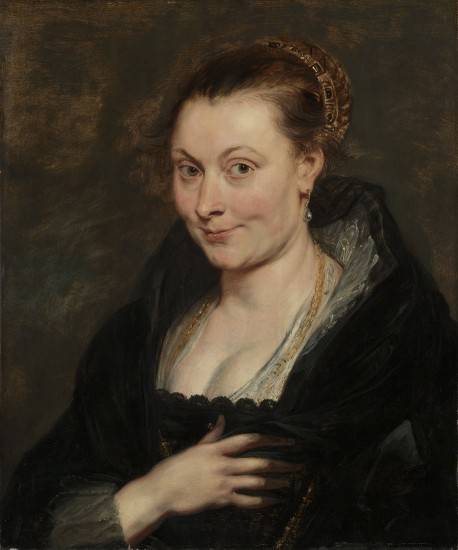
Peter Paul Rubens was born in 1577 in Siegen, Westphalia. He was a tireless entrepreneur, a skillful diplomat and an ingenious self-promoter. He is one of the most famous painters in Western art, widely recognized and admired for his dramatic style and a leading figure of the Baroque era – a period typified by the most emotionally intense and sensual art, music and sculpture. As a young man, he took his formative training in Antwerp but travelled to Italy and Spain on an eight-year journey that proved to be transformational. While abroad, he immersed himself in intensive study of ancient sculpture and masterpieces by the Renaissance and Baroque masters he admired. Through his theatrical and bold style, his work would soon combine what he had learned on his trip with his northern European heritage. Rubens very quickly established himself as one of the most pre-eminent painters in Antwerp. Equally engaged as a leading figure in the city’s intellectual and cultural life, Rubens strategically positioned himself to gain wider international celebrity in the following decades.
AUDIO GUIDE
Listen to the audio guide for Early Rubens, produced by the Fine Arts Museums of San Francisco, Legion of Honour.
This audio guide includes interviews with the following people:
Sasha Suda, curator of Early Rubens, formerly Curator of European Art, AGO and now Director and CEO, The National Gallery of Canada.
Kirk Nickel, curator of Early Rubens, formerly Assistant Curator of European Painting, Fine Arts Museums of San Francisco.
Nico van Hout, Head of Collection Research – Curator of Seventeenth-Century Paintings, Koninklijk Museum voor Schone Kunsten, Antwerp.
EXHIBITION CATALOGUE
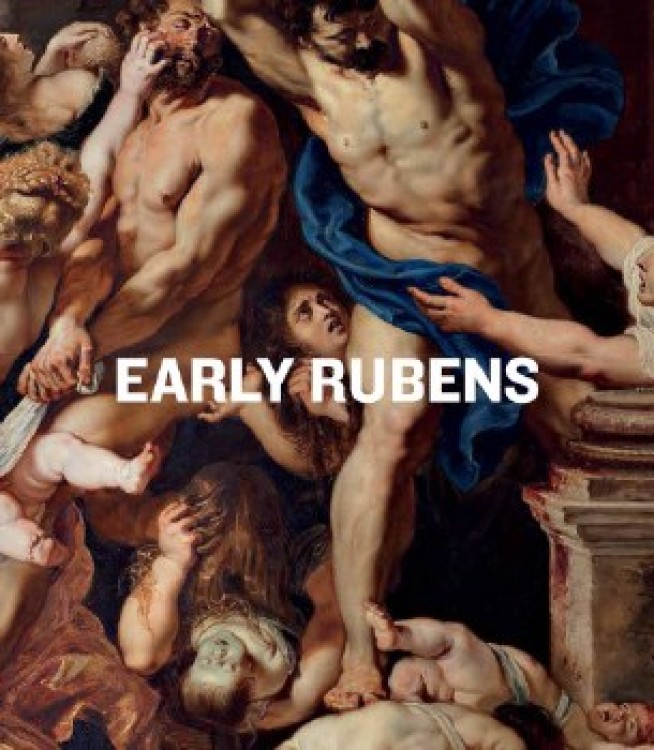
Through paintings, drawings, and prints, this book shows how a desire for commercial success influenced and changed Rubens's artistic style. Essays delve into Italy's effect on Rubens, on the narrative aspect of his paintings, and how he managed commissions from famous patrons. Filled with new insights on the most fruitful phase of Rubens's career, this book offers a refreshing look at one of the most influential Baroque artists.
by Sasha Suda (Author, Editor), Kirk Nickel (Author, Editor)
Hardcover
280 pages
25.1 x 2.7 x 28.9 cm
Be the first to find out about AGO exhibitions and events, get the behind-the-scenes scoop, and book tickets before your visit.
Sign up to get AGO news right to your inbox. You can unsubscribe at any time.
Sign up to get AGO news right to your inbox. You can unsubscribe at any time.